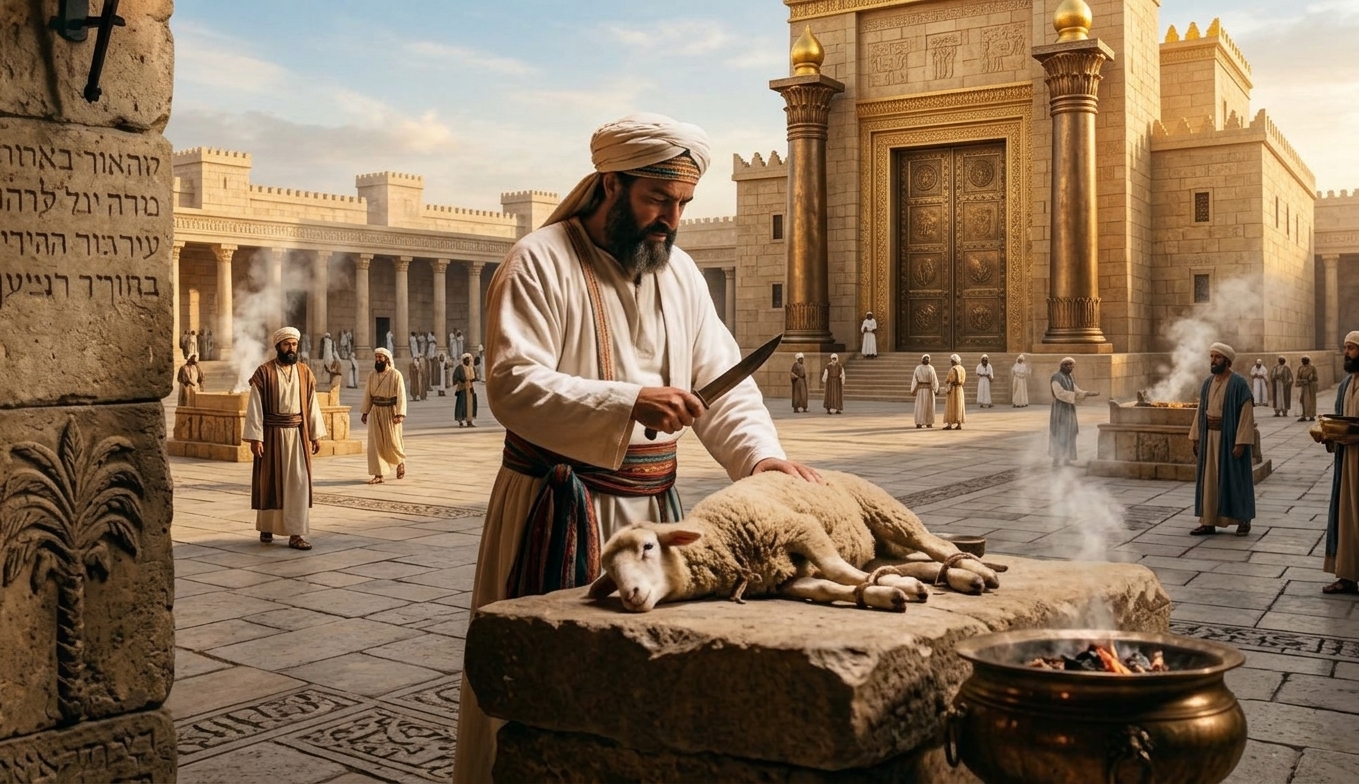
A person who was ritually unclean because of contact with blood could not enter the Tabernacle or Temple courtyard to offer sacrifice.
The Bible states that God sees blood as sacred because as He says, “life is in the blood”(Leviticus 17:11). He established rules on how blood was to be handled.
How Is Blood to Be Treated as Sacred?
The Bible states that God sees blood as sacred because “life is in the blood.” The ancient Hebrew nation had to avoid unnecessary or deliberate contact with blood, even their own.
For example, women were required by the Law to bathe during their menstrual period to wash the blood flow from their bodies.
Husbands were forbidden from having sexual intercourse with their wives while they were menstruating. Priests were required to undergo a cleansing ritual if any blood came into contact with them or their garments.
So, why does the belief persist that God’s laws concerning blood are limited strictly to dietary concerns?
This misconception usually stems from a modern, narrow focus on contemporary practices (such as kosher or halal diets) rather than an examination of the broader Ancient Near Eastern context of biblical theology. Historically and textually, the concept of blood in the Bible covers a vast spectrum of ritual purity, temple operations, covenant-making, and hygiene.
The widespread idea that these laws are “just dietary” exists for a few specific reasons:
1. The Separation of Moral and Ceremonial Law
In mainstream Christian theology, biblical laws are traditionally categorized into three groups: moral, civil, and ceremonial.
– Ceremonial laws—including menstrual purification, priestly washing, animal sacrifices, and fabric cleansing—were viewed as fulfilled by the death and resurrection of Jesus Christ.
– Because Christians no longer maintain a physical temple or an animal priesthood, the complex ritual laws surrounding blood faded from daily life.
– The only law concerning blood that historically crossed over into general awareness for non-Jewish populations was the dietary prohibition against eating blood, which was upheld for Gentiles in the New Testament (Acts 15:29).
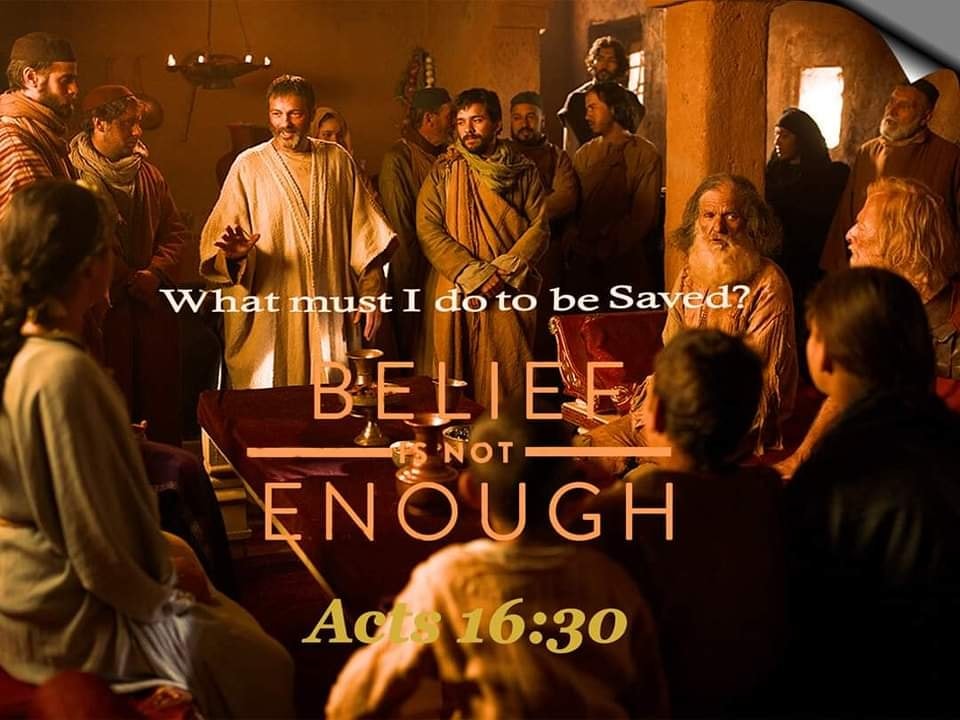
Acts 15:29
“eat no food that has been offered to idols; eat no blood; eat no animal that has been strangled; and keep yourselves from sexual immorality. You will do well if you take care not to do these things. With our best wishes.” (GNB)
At the time, a dispute had arisen between the disciples as to whether or not gentile converts has to be circumcised according to God’s Law covenant with the Hebrew nation. The gentile converts were never under obligation under the Law covenant. We should keep this in mind when considering Acts 15:29.
2. A Shift in the Definition of “Unclean”
To a modern reader, the word “unclean” sounds like dirt or germs. To an ancient Israelite, ritual uncleanness (tameh) was not simply a sin related to physical hygiene; rather, it described a state of spiritual impurity.So, the intentional contact with blood made a person both physically and spiritually uclean.

– Because “life is in the blood” (Leviticus 17:11), blood belonged uniquely to the realm of God, the Source of Life.
– When blood left the body—via menstruation, childbirth, injury, or death—it represented a leakage of life and a proximity to death.
– A person who was ritually unclean due to contact with blood could not enter the Tabernacle or Temple because they carried a symbolic reminder of human mortality into the presence of the Eternal Creator.
– Once the Temple was destroyed in 70 CE, practicing these strict spatial ritual purity laws became impossible, leaving dietary boundaries as the most visible, reproducible part of the law.
3. Cultural and Secular Filtering
In modern secular society, biblical laws are frequently discussed through the lens of agriculture, health, and cooking. People often debate why pork or blood sausage was banned from a purely biological or survival perspective. This cultural habit reduces a highly complex ancient worldview to a simple “ancient health code,” obscuring the rich spiritual and symbolic rules regarding bodily fluids and priestly duties.
The idea that God’s laws on blood are exclusively dietary is fundamentally an oversimplification. In the context of the Hebrew Bible, blood formed a boundary line between life and death, the human and the divine, and the clean and the sacred.
As noted previously, one of God’s laws forbade husbands from having sexual intercourse with their wives during menstruation. Lost over time is the broader importance of avoiding ritual uncleanness by refraining from even touching blood. This prohibition—found in Leviticus 18:19 and 20:18—explicitly banned sexual relations during a woman’s menstrual impurity. Violating this law carried severe spiritual consequences for the community, emphasizing how seriously the ancient Hebrew nation took the boundaries surrounding blood.
The modern world has largely lost the profound theological weight behind avoiding ritual uncleanness (tameh) through contact with blood. This loss of understanding occurred over centuries due to major historical shifts and secular filters that interpreted ancient practices through the lens of modern disease prevention. This secular framing erases the original meaning: blood was avoided not because it was perceived as “dirty” or germ-ridden, but because it was too sacred for casual contact. It served as the literal currency of life, reserved strictly for God’s altar.
By treating blood as merely another biological fluid or a basic dietary restriction, modern culture has obscured an ancient worldview in which the human body was treated as a living temple, and touching blood meant stepping into the heavy, fearsome presence of life and death.
Conclusion
When making decisions that involve coming into contact with blood, whatever decision that is arrived at should be made after considering whether God’s commandment to abstain from blood is solely a dietary restriction or does it go beyond.